iPhone 16 vs iPhone 17: Is the Older iPhone Still Worth Buying?
The iPhone 17 adds a 120Hz ProMotion screen, a 48MP ultrawide and double the base storage. We compare it with the cheaper iPhone 16 to find out which is the smarter buy.
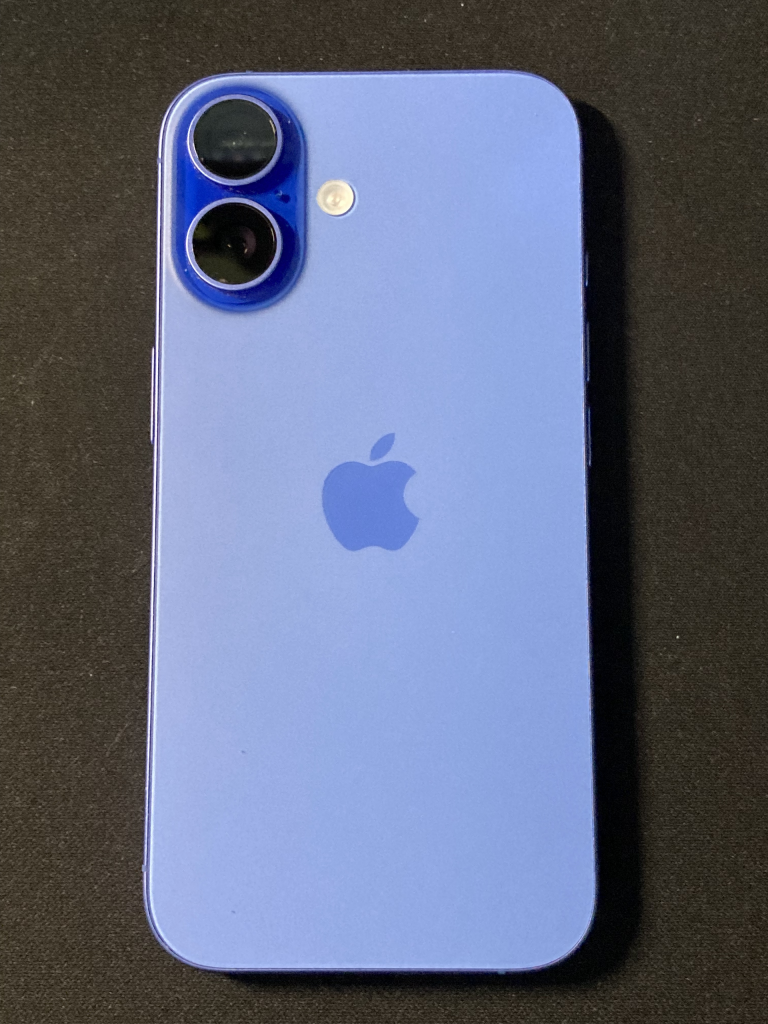
Our pick
iPhone 17
The iPhone 17 is the better buy for most people thanks to ProMotion and 256GB storage; the iPhone 16 only wins on a big discount.
When Apple launched the iPhone 17 in September 2025, it kept the iPhone 16 on sale at a lower price. That leaves many buyers with a simple question: is the newer phone worth the extra money, or is last year’s model good enough?
The answer is clearer than usual. The iPhone 17 finally brings features that used to be exclusive to the Pro models to the standard iPhone — most importantly a 120Hz ProMotion display — and doubles the base storage. Here is the full breakdown.
Quick verdict
- Buy iPhone 17 ifyou want the smoother 120Hz screen, more storage and the better selfie camera.
- Buy iPhone 16 ifyou find it at a big discount and mainly use your phone for messages, social and photos.
- WinneriPhone 17 — the upgrades are ones you notice every day.
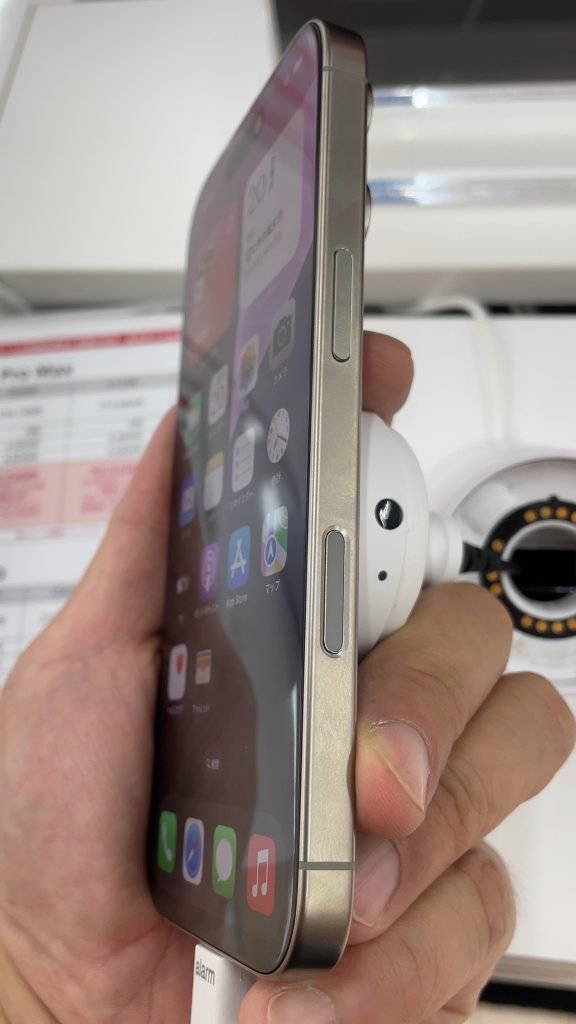
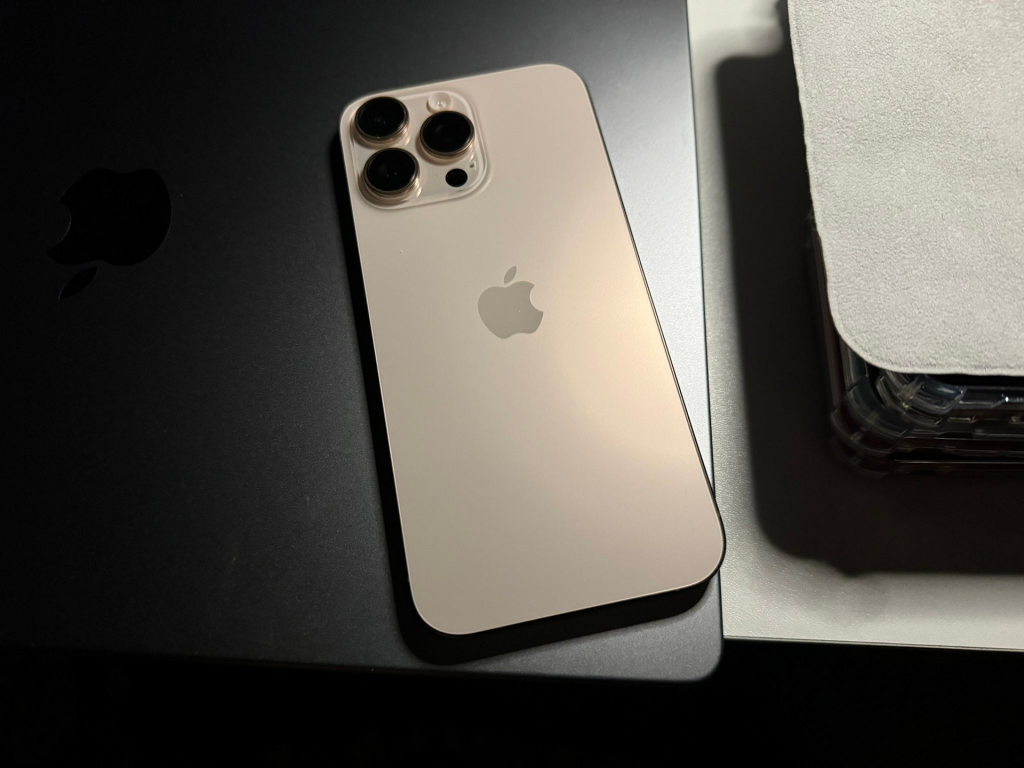
|
Display |
6.1″ OLED, 60Hz | 6.3″ OLED, ProMotion up to 120Hz | |
|
Always-On |
No | Yes | |
|
Chip |
A18 | A19 | |
|
Rear cameras |
48MP main + 12MP ultrawide | 48MP main + 48MP ultrawide | |
|
Front camera |
12MP | 18MP Center Stage | |
|
Base storage |
128GB | 256GB | |
|
Camera Control |
Yes | Yes |
Display: the biggest difference
The iPhone 17’s 6.3-inch display supports ProMotion, adapting its refresh rate up to 120Hz. Scrolling through apps and websites is dramatically smoother, and once you are used to it, 60Hz screens feel sluggish. ProMotion also enables an Always-On display, which shows the time, widgets and notifications at a glance.
The iPhone 16’s 6.1-inch display is sharp, colour-accurate and bright, but it runs at 60Hz and has no Always-On mode. For many people this is the single reason to choose the newer phone.
Cameras
Both phones have excellent 48MP main cameras capable of 2x optical-quality crops. The iPhone 17 upgrades the ultrawide to 48MP too, which means sharper wide-angle shots and noticeably better macro photos. On the front, the new 18MP Center Stage camera uses a square sensor, so you can take landscape selfies while holding the phone upright and group selfies automatically widen the frame.
Both models have the Camera Control button on the side, which opens the camera with a press and lets you adjust zoom and exposure with a swipe.
Performance, storage and battery
The A18 chip in the iPhone 16 is still fast and fully supports Apple Intelligence. The iPhone 17’s A19 is quicker and more efficient, and it will likely receive software updates for slightly longer. Neither phone will feel slow for years.
Storage matters more than it seems: the iPhone 17 starts at 256GB, double the iPhone 16’s 128GB. If you shoot lots of 4K video or keep big games installed, that alone can justify the price difference. Battery life is also better on the iPhone 17 thanks to the efficient chip and larger body.
Price and value
The iPhone 17 launched at $799 with 256GB. After its launch, the iPhone 16 dropped to $699 with 128GB. Matching storage, the iPhone 17 is actually the better value: you pay a little more and get a much better screen, better cameras and twice the space. The iPhone 16 only makes sense when retailers or carriers discount it heavily.
Which should you buy?
Buy the iPhone 17. The smoother ProMotion screen, the extra storage and the camera upgrades are improvements you will notice every single day, and at matching storage the price gap is small. Choose the iPhone 16 only if you find a significant discount and you are happy with 128GB.
On Android instead? Read our Galaxy S25 Ultra review.
Our pick: iPhone 17
ProMotion, double the storage and better cameras make the iPhone 17 the smarter long-term buy for almost everyone.
Ready to upgrade?
Carrier and trade-in deals on the iPhone 17 can cut the price significantly.